School Sleep Schedule: Reset in August Without the Drama
That August Struggle is Real
Every August, I find myself in the same boat—trying to rein in those summer-late bedtimes and somehow get our son back on a school schedule without turning into the bedtime police. And if I’m being honest, it gets harder every year. As he gets older, the pushback grows stronger, and the nights get longer (in more ways than one).
If your household also transforms into a negotiation zone once bedtime hits, you’re not alone. The good news? You don’t have to overhaul everything in one night. A gradual approach—backed by real science and a few creative parenting tricks—can make the transition smoother for everyone.
Why August Is the Time to Start
Your body's internal clock (a.k.a. circadian rhythm) doesn’t flip overnight. It needs time to adjust to earlier sleep and wake times. By starting in August, you’re giving your family’s bodies a few weeks to adapt—so the first week of school doesn’t feel like jet lag with backpacks.
Experts say it takes roughly one week to adjust to just one hour of lost sleep time. So, if your child’s current bedtime is 11 PM and they need to be asleep by 8 PM, you’re looking at a 3-week head start. Let’s break that down by age group.
A 4-Week Reset Plan for Every Age
Week 1 (Early August): Move bedtime and wake-up time 15–30 minutes earlier every 2–3 days
Week 2 (Mid-August): Layer in morning routines to simulate school-day flow
Week 3 (Late August): Practice full school-day rhythms, including evening wind-down
Week 4 (School Starts): Stick with the routine and adjust as needed
For Elementary Schoolers (Ages 5–11)
These kids still thrive on structure and visual reinforcement.
Sleep Needs: 9–11 hours
Target Bedtime: 7:30–8:30 PM
Target Wake-Up: 6:30–7:30 AM
Start the shift: 3 weeks out
Helpful Tips:
Use a sticker chart to track early bedtimes—make it a fun activity!
Start “practice mornings” by having them get up, get dressed, and go through their routine.
Avoid screens for an hour before bed; instead, try puzzles, coloring, or reading.
Create bedtime rituals they enjoy: a sleepytime playlist, cozy pajamas, and maybe a special book series just for August.
For Middle Schoolers (Ages 11–14)
This age brings hormone shifts that make them natural night owls, so both compassion and structure are important.
Sleep Needs: 9–10 hours
Target Bedtime: 8:30–9:30 PM
Target Wake-Up: 6:30–7:30 AM
Start the shift: 3–4 weeks out
What Works:
Let them help build their routine—middle schoolers want ownership.
Encourage morning light exposure and use softer lighting at night.
Introduce more “grown-up” wind-downs like journaling, stretching, or relaxing playlists.
Help them track their sleep and find a rhythm that works for them, not just one that works for you.
For High Schoolers (Ages 14–18)
Teen circadian rhythms are biologically delayed, meaning they really aren’t tired at 9 PM—and it’s not just rebellion.
Sleep Needs: 8–10 hours
Target Bedtime: 9:30–10:30 PM
Target Wake-Up: 6:00–7:00 AM
Start the shift: At least 4 weeks out
What Helps:
Respect their need for more autonomy—partner with them rather than pushing.
Create an ideal sleep environment: one that is cool, quiet, dark, and screen-free.
Encourage caffeine cut-offs by 2 PM and set homework boundaries to preserve wind-down time.
Talk about how good sleep supports their goals—from grades to sports to part-time jobs.
Make the Shift Fun (Yes, Really)
Morning Adventures:
Plan something to look forward to—early morning walks, breakfast outings, or even quiet time outside with a smoothie.
Evening Traditions:
Start a calming routine that signals “day’s end”: neighborhood strolls, family yoga, or shared reading time.
Sleep Games:
Turn the transition into a challenge—who can hit their target bedtime most consistently? Reward with small, meaningful perks like picking movie night or choosing Saturday’s breakfast.
Creative Expression:
Let kids journal, draw, or take photographs of their wind-down routines. It gives them buy-in and makes the process feel more like theirs.
Real Talk: Common Roadblocks
Bedtime Resistance:
Validate the pushback, but stay consistent. Let them know their bodies need time to catch up and they’ll feel better once the new rhythm sets in.
Weekend Drift:
It’s tempting to let schedules slide, but try to keep weekend wake-up times within one hour of weekday norms.
Tech Troubles:
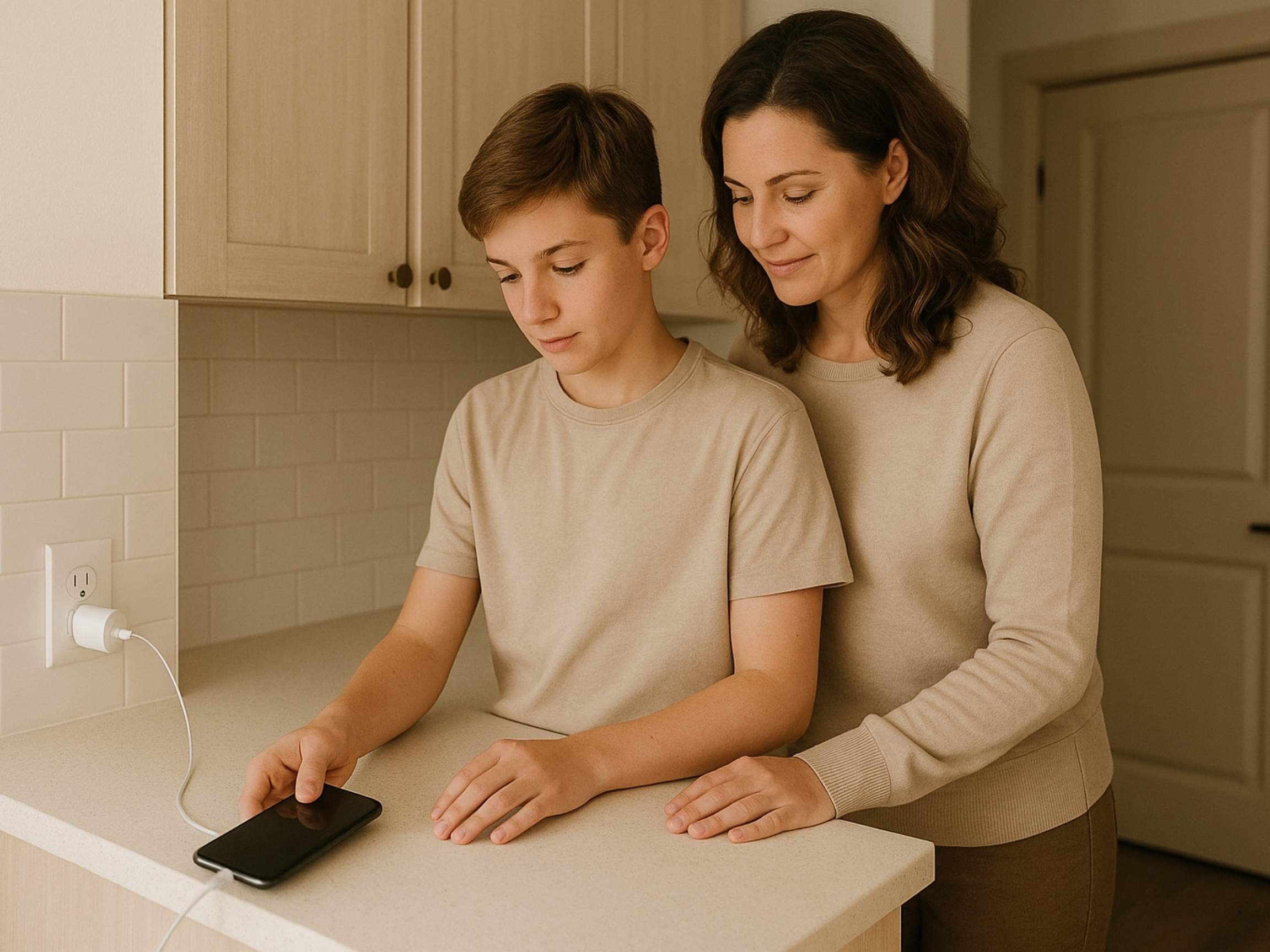
Rather than singling kids out, implement tech-free time as a family. Charge devices outside the bedroom and build screen-free time into the evening.
Shift the Mindset
Don’t frame this as “the end of summer.” Frame it as setting everyone up for a smoother year, because better sleep leads to better mornings, better focus, and better moods.
This transition is temporary, but the benefits carry into the classroom, after-school activities, and even weekend downtime.
Your August Action Plan
Start by tracking everyone’s current sleep and wake times without judgment. From there, begin adjusting gradually—15–30 minutes at a time—every few nights. Each small step brings your household closer to a healthier rhythm before the school bell rings.
Some nights will go well. Others won’t. That’s real life. Focus on progress, not perfection. By September, those early wake-ups won’t feel quite so punishing—and you just might get your evenings back.
Here’s to smoother mornings, fewer bedtime battles, and a strong start to the school year.
Sweet dreams,
Heidi
P.S. What’s worked for you? Share your best tip or trick for getting your family back on a school sleep schedule—we’d love to hear what’s made the transition easier in your home!