
Essential Tips for Stress-Free and Prepared Travel
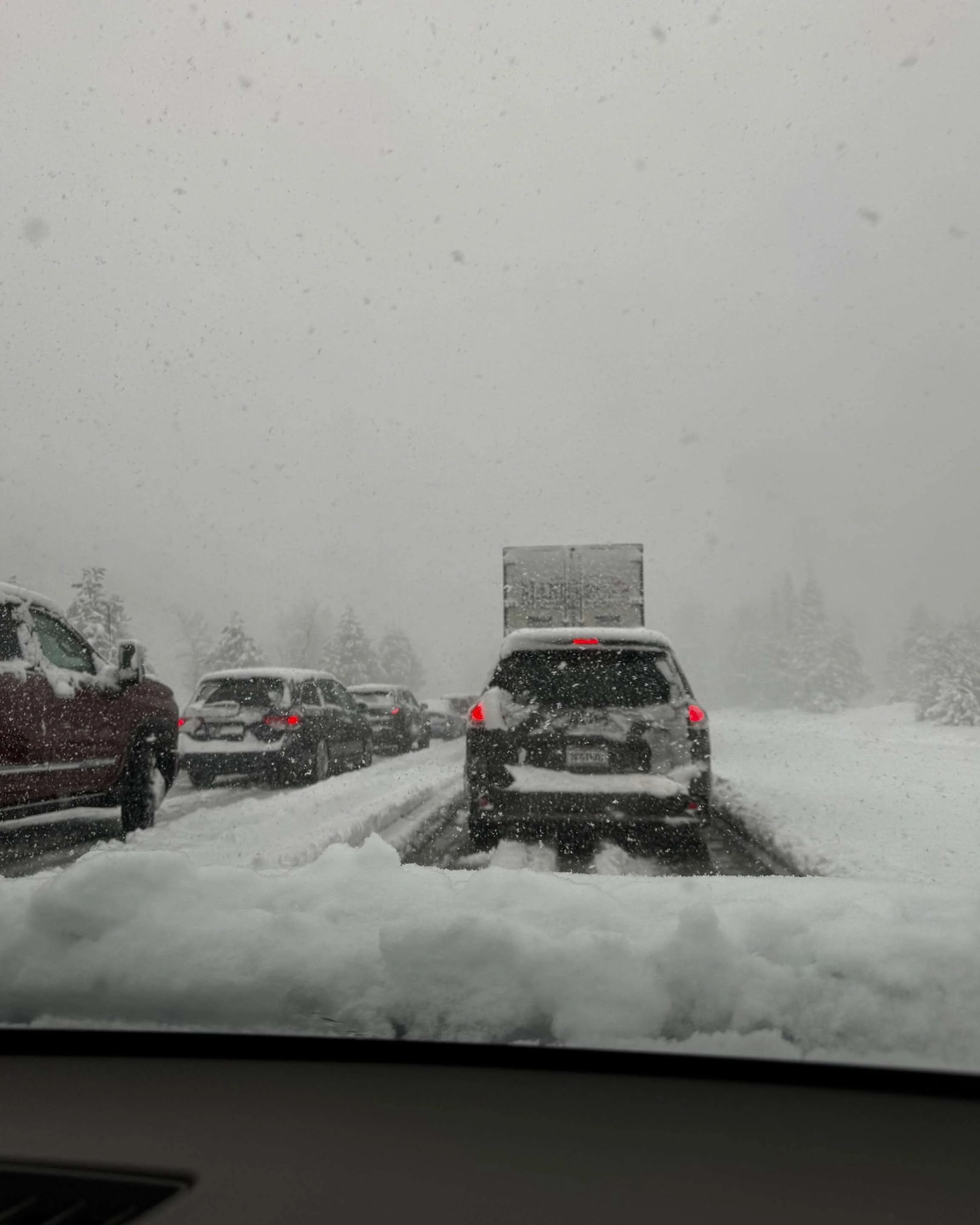
Close to Truckee, California, on the infamous Donner Pass. Sierra Nevada Mountains. May 4, 2024.
Pack Smart: Preparing for Unexpected Situations While Traveling
We thought we were ahead of the storm. Turns out, the storm was waiting for us.
In early May 2024, my husband and I set out on what we hoped would be a relaxing long weekend exploring Napa Valley, Lake Tahoe, and Reno. The trip was timed just before my work commitments kicked in, and Friday in Napa felt like perfection; blue skies, sun-warmed vineyards, and no hint of what was coming.
But by Saturday morning, whispers of a record-breaking rainstorm started swirling. My husband, always the cautious one, decided to check the mountain forecasts. What he found stopped us in our tracks: a massive snowstorm was barreling toward Donner Pass. If we didn’t make it back to Reno soon, we might not make it back at all.
We jumped into our rented Chevy Malibu, hoping to beat the storm. At first, it seemed possible, until we passed a sign that read “Chain Control Ahead.” That’s when the mood shifted. The clouds thickened. Traffic slowed. And then everything stopped.
For the next 11 hours, we were gridlocked on a snow-slick mountain road. No movement. No exits. Just us, a tank of gas, and a rising sense of dread. The first two hours passed in silence as we weighed our options: What if we ran out of gas? What if the car broke down? Would we spend the night out here in the cold, miles from anywhere?
Eventually, traffic crept forward, and by some miracle, we made it back to Reno. We were exhausted, grateful, and completely unprepared for what could have been a much worse outcome.
That day taught us a hard truth: when you’re traveling, anything can happen. And if you’re not prepared, especially in a rental car without even a snow brush or emergency kit, things can go south quickly.
Travel is full of surprises. But packing smart doesn’t mean cramming your suitcase with “just in case” gear. It means choosing versatile, intentional items that prepare you for the unexpected, without weighing you down.
Here’s how to pack for peace of mind and flexibility, no matter where your next adventure takes you.

No rain or snow in sight, May 3rd 2024. Napa Valley, California.
1. Prioritize Versatile Clothing
Choose clothing that can serve multiple purposes. Layering is vital; lightweight jackets, scarves, and sweaters are perfect because you can mix and match according to the day's weather. Quick-drying materials are also a lifesaver if you get caught in unexpected rain or need to wash something quickly.
Tip: Opt for neutral-colored clothing that can be easily dressed up or down, and throw in a compact, packable rain jacket instead of bulky coats that take up valuable space.
2. Smart Packing Essentials
Keep your travel necessities compact. Invest in travel-sized toiletries and consider bringing a foldable daypack for daily excursions. A small first aid kit stocked with band-aids, pain relievers, and your regular medications can really save the day. And don't forget your electronics—bring a portable charger, a universal adapter, and necessary USB cables.
Tip: Utilize packing cubes to organize your belongings and make it easier to find what you need without tearing through your entire suitcase.
3. Carry Multipurpose Items
Select items that can fulfill more than one function. A sarong can be a beach cover-up, a picnic blanket, or a scarf on chilly evenings. A reusable water bottle is essential for staying hydrated, and a small, lightweight flashlight can serve dual purposes as a reading light during downtime.
Tip: Consider packing a travel pillow that doubles as neck support or can be stuffed into a pouch to serve as a cushion, it's practical and saves space.
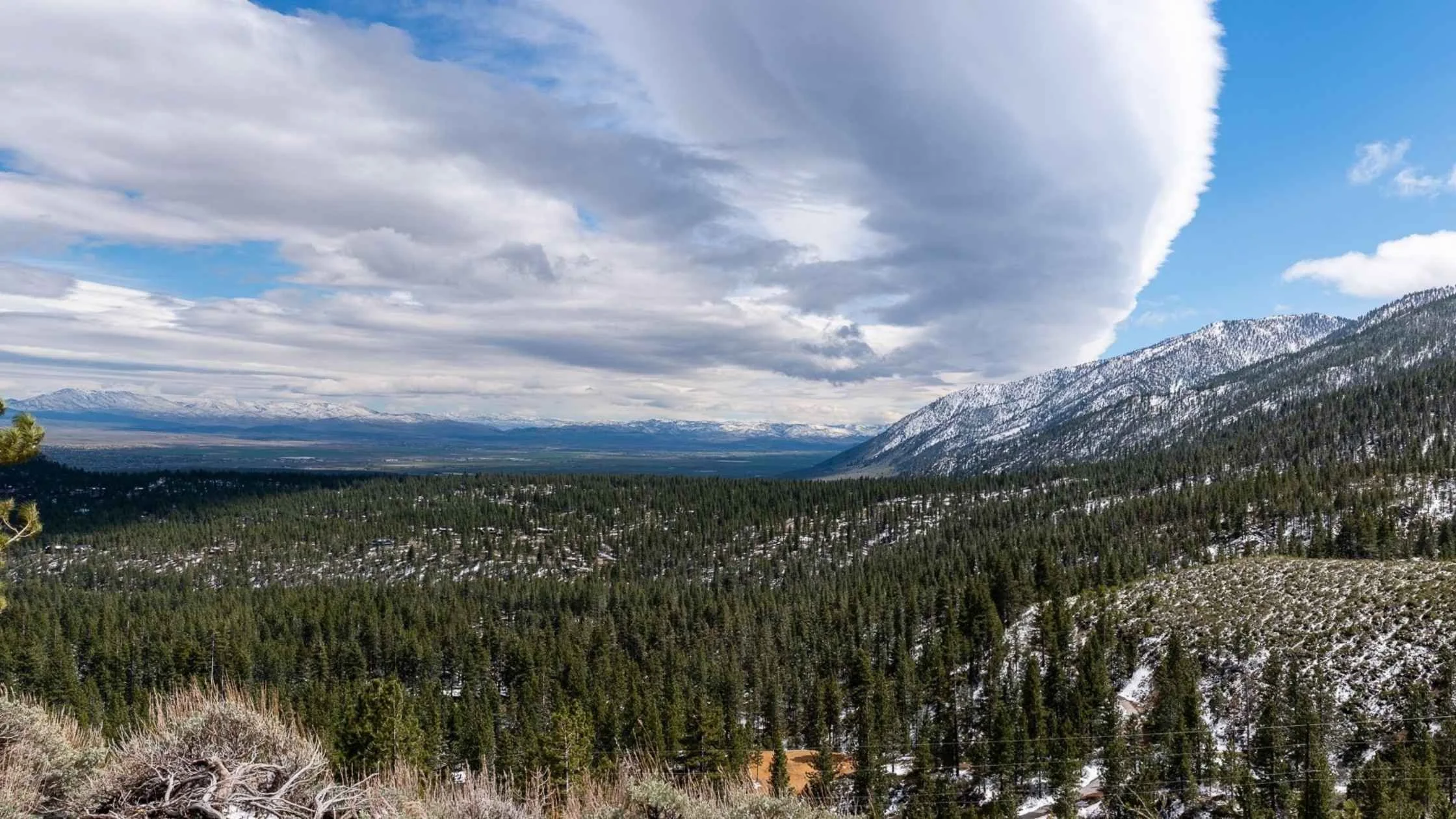
Overlooking Carson City, Nevada, on May 5, 2024. We checked the weather before heading back into the mountains!
4. Emergency and Safety Preparedness
You never know when an unexpected scenario might arise, so it's smart to have a few essentials on hand for emergencies. Include a compact first aid kit, photocopies of your ID and passport, and a basic emergency contact card. A mini sewing kit can be surprisingly helpful for quick fixes.
Tip: Keep your emergency items in a zippered pouch that's easily accessible in your carry-on or daypack. This way, you can quickly grab them when you need them.
5. Compact Snacks and Hydration
Unexpected delays can leave you hungry and thirsty, so always bring non-perishable snacks like granola bars, trail mix, or dried fruits to keep your energy up. A collapsible water bottle can be filled when needed and stashed away when you don't.
Tip: Look for calorie-dense yet space-efficient snacks, and keep them in a convenient pocket for easy travel access.
6. Adaptable Footwear
Instead of lugging around multiple pairs of shoes, bring one versatile, comfortable pair suitable for various terrains. Consider packing foldable shoes that work as casual footwear and dressier night-out options.
Tip: Wear your bulkiest shoes on the journey to save space in your luggage, and go for lightweight, multifunctional shoes that can fit many occasions.
7. Pack a Lightweight First Aid Kit
It's always wise to have a mini first aid kit ready with the basics: adhesive bandages, antiseptic wipes, pain relief medication, and any personal prescriptions. You can easily create your own with travel-sized items to minimize bulk.
Tip: Keep a small stash of any essential medication in your carry-on, even if you check your bags, to be prepared for travel disruptions or lost luggage.
8. Use Travel Insurance and Emergency Apps
Travel can be unpredictable, but having travel insurance can make cancellations, delays, or emergencies much easier to manage. Also, download relevant emergency apps that provide local assistance; think weather alerts, translation services, and navigation help.
Tip: Keep a digital and printed copy of your travel insurance policy handy, and back up your important documents using a cloud service.
9. Prepare for Communication Challenges
If you're heading to areas with limited connectivity or language barriers, think ahead about how to ease communication. Bring tools like translation apps and a small phrasebook, and consider a local SIM card or portable WiFi to stay connected.
Tip: Download maps and other essential data offline to access crucial navigation and communication tools.
10. Be Ready for Weather Changes
Lastly, always stay updated on the weather forecast for your destination and plan accordingly. Packing a few emergency supplies and knowing what to expect can make all the difference in avoiding travel turmoil. Remember, winter weather doesn’t always occur in the “winter.” Lesson learned!
By keeping these tips in mind, you’ll be ready for any travel surprises while packing light and staying stress-free. Got any packing hacks of your own? Share your best travel tips with us!
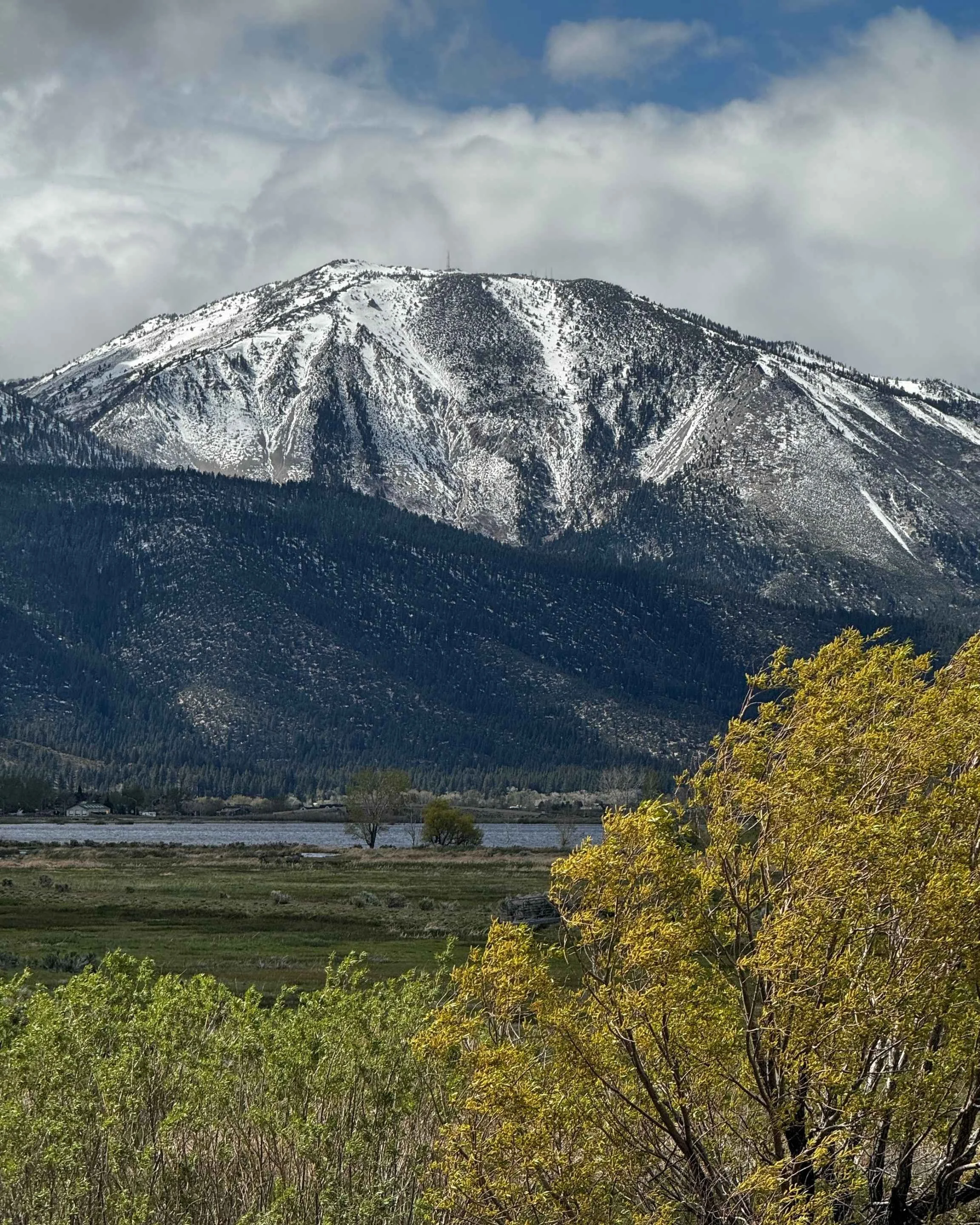
Washoe Lake State Park, Nevada. May 5, 2024.
