
The Pros and Cons of Making Dog Food at Home
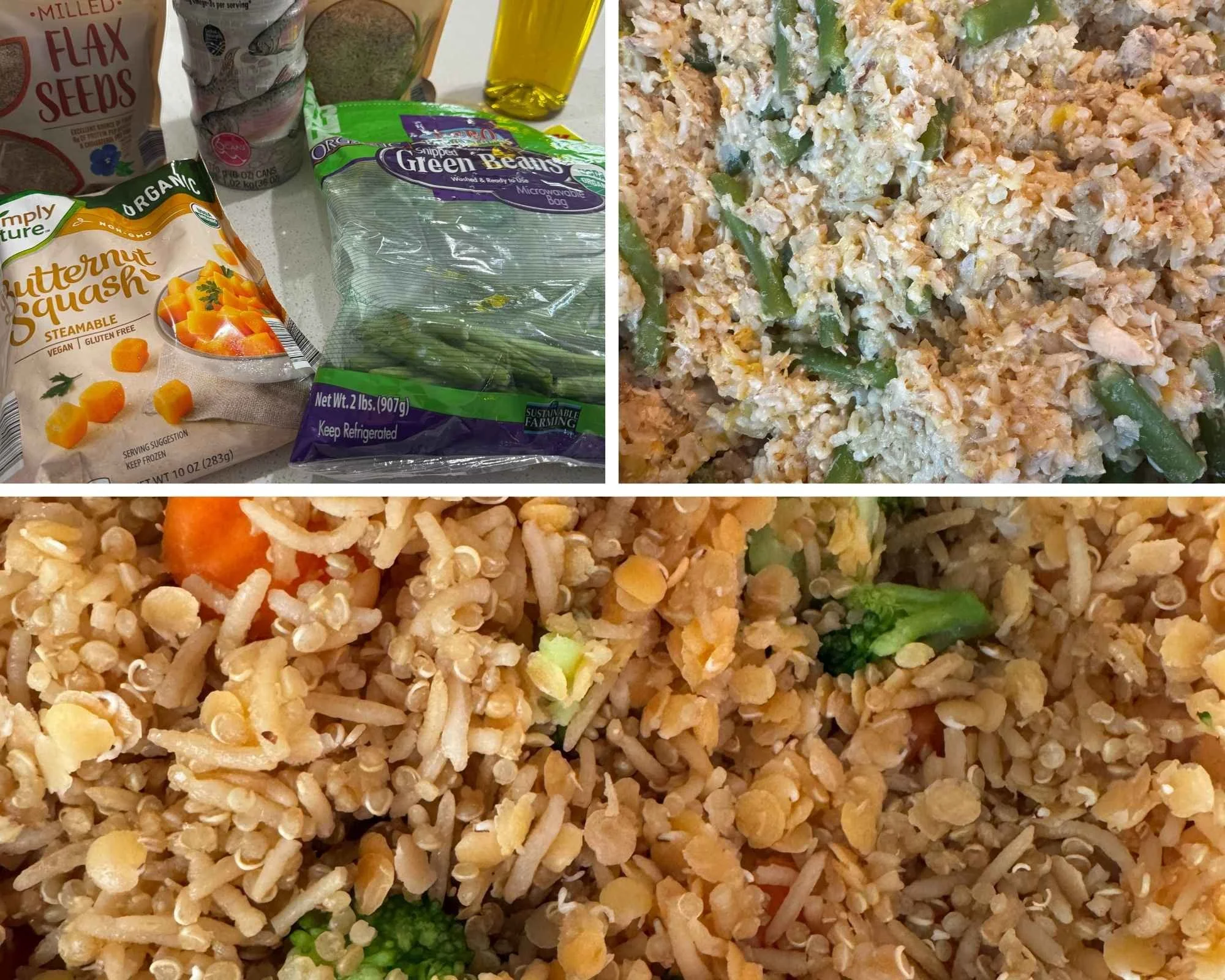
Homemade dog food from 2 batches.
Disclaimer: I’m sharing our experience and the research we’ve done for our own family. This isn’t medical or professional advice, just what’s worked for us. Some links are affiliate links, which means I may earn a small commission at no extra cost to you. I only share products I’ve personally used or genuinely recommend.
My Homemade Dog Food Experience
It started the week before Christmas. Between wrapping gifts and planning dinners, I found myself standing in the pet food aisle, reading the same overhyped promises on the back of a $90 bag of “allergy-friendly” kibble.
And yet, my dogs were still itchy. Still licking their paws raw. Still restless at night.
We’d tried every “miracle” formula out there. Hypoallergenic blends, grain-free varieties, limited ingredient diets, you name it. Nothing made a lasting difference. That’s when I hit my breaking point and thought, What if I just made their food myself?
I already knew they could handle real food; we often shared bits of chicken or veggies from dinner, and they did just fine. So, after some research (and sticker shock at dog-food delivery services costing over $100 every two weeks), I decided to give homemade dog food a real shot.
The first batch wasn’t perfect. I was guessing and googling. But I started to notice something almost immediately: fewer paw licks and less scratching. Surprisingly, I was spending less than $5 a week.
Now, I’m not a vet. I can’t promise what worked for my dogs will work for yours. But I can share what I’ve learned, what’s worked for our family, and what the journey has looked like, warts and wins included.
Homemade Dog Food Ingredients
My homemade dog food recipes often include the following ingredients, which I already have on hand. These ingredients are easy to find at most grocers, but if you are looking to save money, you can get everything you need at Aldi.
Grains: White and brown rice (brown rice is preferred for its higher nutritional value), quinoa.
Vegetables: Butternut squash, green beans, carrots, broccoli, and cauliflower are available fresh or frozen.
Proteins: Frozen leftover meat, fresh meat, canned salmon (to be replaced with fresh in the future), dried lentils (and potentially beans in the future). Protein is the most essential ingredient in homemade dog food.
Other Additives: Bone broth for cooking rice, quinoa, and lentils; flaxseed meal; and extra-virgin olive oil (1–2 tablespoons per batch).
As a bonus, this benefits my dogs and helps me clear out my pantry of items that might otherwise go unused.
Example Recipe
Here’s an example of one of the meals I prepare for my dogs:
Cook the Grains and Legumes:
I cook 2 cups of brown rice in bone broth for added flavor and nutrients.
I also cook 1 cup of quinoa and another cup of lentils in bone broth. (I cook each ingredient separately because they have different cooking times and require varying amounts of liquid.)
Prepare the Vegetables:
I thaw a bag of frozen vegetables or chop fresh ones, such as carrots, broccoli, and green beans. I then lightly steam or cook them until tender.
Combine Everything:
Once the grains, legumes, and vegetables are cooked, I mix them in a large pot or bowl.
Add Nutritional Boosters:
While the mixture is still warm but cooling down, I stir in 2 tablespoons of ground flaxseed meal and a drizzle of olive oil for healthy fats and omega-3s.
Serve with Protein:
When it’s time to feed the dogs, I add cooked chicken or salmon to their portions. I’ve found that keeping the meat separate and adding it only at serving time helps the food last longer and stay fresher in storage.
This method ensures the food is balanced, easy to store, and my dogs enjoy it! It also allows me to adjust portions and ingredients based on their needs.
Pros of Making Dog Food at Home
Cost Savings:
Preparing dog food at home is significantly cheaper than buying premium dog food or subscribing to delivery services. For example, I save $100 every two weeks on fresh delivery and spend $5 weekly.Ingredient Control:
By making dog food yourself, you control exactly what goes into your dog’s meals. This means no unnecessary fillers, artificial additives, or low-quality ingredients often found in commercial dog food.Customization:
Homemade food allows you to tailor meals to your dog’s dietary needs and preferences. If your dog has allergies, you can easily exclude problematic ingredients.Freshness and Quality:
You know how fresh the ingredients are because you're sourcing them yourself. This can provide peace of mind compared to trusting commercial products.Potential Health Benefits:
Some pet owners report improvements in their dogs' coat condition, digestion, energy levels, and overall well-being after switching to homemade diets. While individual results vary, eliminating processed food can make a noticeable difference.
Cons of Making Dog Food at Home
Risk of Nutritional Imbalance:
Dogs require a specific balance of nutrients, including protein, fats, carbohydrates, vitamins, and minerals. Creating a balanced diet without professional guidance can be challenging and may lead to deficiencies or excesses that harm your dog’s health.Time-Consuming:
Cooking and preparing homemade dog food requires time for meal prep, cooking, and portioning. This might not be practical for pet owners with busy schedules. I have to plan for busy weeks and travel.Initial Research:
Before starting, you must spend time researching your dog’s nutritional needs. You can contact your vet or pet nutritionist if you are worried about omitting key nutrients or using harmful ingredients for dogs.Storage and Freshness:
Homemade dog food typically doesn’t contain preservatives, so it must be stored carefully to prevent spoilage. This can require additional fridge or freezer space.Cost of Supplements:
To ensure your dog’s diet is nutritionally complete, you may need to invest in supplements such as calcium, omega-3 fatty acids, or a multivitamin formulated for dogs. This adds to the overall cost and complexity. I supplement my dog’s food with Collagen and Probiotics.
Homemade Dog Food Supplies
Making homemade dog food requires basic kitchen tools and appliances to streamline the process. I use pots and pans to cook grains and vegetables, and my Instant Pot has been a game-changer for quickly preparing large batches of food. If you don’t have an Instant Pot, a rice cooker is a convenient option for cooking grains like rice or quinoa with minimal effort. You’ll also need cutting boards, knives for chopping fresh ingredients, and storage containers to portion and freeze meals for later use. Having the right supplies can make the process more efficient and enjoyable!
Here are some of my favorite supplies from Amazon:
Final Thoughts
Switching to homemade dog food has been a rewarding experience for my dogs and me. I enjoy preparing their meals and feel good knowing exactly what they’re eating. However, this decision comes with responsibilities, particularly ensuring the diet is nutritionally balanced.
If you’re considering making your dog food, you may want to consult with your vet or a pet nutritionist. They can help you identify gaps in your dog's diet and suggest appropriate supplements. Remember, every dog is unique, and what works for mine may not work for yours. If you aren’t ready for the full plunge into making dog food, you can also decide on a hybrid approach. You can have store-bought food on hand for a combined approach or as an emergency backup. I don't keep dog food at home because it forces me to make sure I have plenty of food prepared for the dogs. I am more likely to fall behind if I know I have backup options.
Ultimately, whether you choose homemade food, a premium commercial diet, or a combination of both, the goal is to provide your dog with a healthy, happy, and fulfilling life.
Join the Conversation!
Do you make homemade dog food for your furry friends? What recipes have worked well for your pups? Share your experiences and favorite recipes in the comments below. I’d love to hear your thoughts and ideas! Let’s inspire each other to provide the best care for our dogs!
References
PetMD: https://www.petmd.com/
American Kennel Club (AKC): https://www.akc.org/expert-advice/nutrition/
The Whole Dog Journal: https://www.whole-dog-journal.com/
National Research Council: Nutrient Requirements of Dogs and Cats.

Our 2 rescue dogs Kobe and Izzy.
